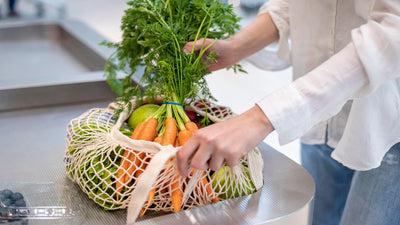
How to Build a Complete Organic Shopping List for Everyday Use
How to Build a Complete Organic Shopping List for Everyday Use
Building an organic lifestyle doesn’t start in the kitchen. It starts with what you choose to bring home. That’s why learning how to build a complete organic shopping list is one of the most practical steps you can take toward healthier eating.
Many people assume organic shopping requires a strict plan or a bigger budget. In reality, it’s more about awareness and consistency. When your shopping list is clear and aligned with your daily habits, everything becomes easier. You spend less time wandering through aisles, waste less food, and make better choices without overthinking.
For customers of Let’s Organic, the goal is not just to buy organic products, but to build a system that supports everyday life. This guide will help you do exactly that in a way that feels natural and sustainable.

Start With Real Life, Not an Ideal Routine
A common mistake is trying to create the “perfect” organic list based on trends or online inspiration. That approach usually fails because it doesn’t match how you actually live.
Instead, take a moment to look at your current routine. Think about what you eat on a normal weekday. Maybe your mornings are rushed, your lunches are simple, and your dinners vary depending on time and energy. Your list should reflect that reality.
For example, if you often skip breakfast or grab something quick, adding complicated organic breakfast ingredients won’t help. But if you enjoy tea and toast in the morning, then organic bread, butter, and spreads make more sense.
This step sounds simple, but it sets the foundation. When your list matches your habits, you’re far more likely to stick to it.
Think in Meals, Not Just Ingredients
A complete organic shopping list is not a random collection of healthy items. It should support actual meals you plan to eat.
You don’t need a detailed weekly meal plan. Just have a general idea. Picture what a typical day of eating looks like and build from there.
A simple day might include oats or eggs in the morning, a rice or roti-based lunch with vegetables, and a protein-focused dinner. When you think this way, your list becomes more purposeful. Every item has a role, which reduces waste and confusion.
This approach is especially helpful when shopping from Let’s Organic, where the focus is on clean, high-quality ingredients that fit naturally into everyday meals rather than complicated recipes.
Build a Strong Core List
Instead of starting from scratch every week, it’s better to create a core list of items you regularly use. These are your staples, the things your kitchen almost always needs.
Your core list might include basic organic vegetables and fruits like onions, tomatoes, and spinach you eat often. You may also rely on certain grains such as rice or oats, and a few consistent protein sources like lentils or eggs.
Once this base is set, you can add variety depending on your mood, the season, or specific meals you want to try. This balance keeps your routine stable while still allowing flexibility.
Over time, your core list becomes automatic. You won’t need to think about it, which makes shopping faster and more efficient.
Choose Quality Over Quantity
One of the biggest shifts in organic shopping is moving away from buying too much. Instead of filling your cart with everything that looks healthy, focus on what you will actually use.
Organic food is best enjoyed fresh. Buying excessive amounts often leads to waste, especially with fruits and vegetables. A smaller, well-planned list is far more effective than a long, unrealistic one.
Shop from the best organic store in Dubai, because the emphasis on quality makes your shopping easier and worthy. You don’t need to overbuy when you trust that what you’re getting is fresh and carefully sourced.
Keep Your Pantry Practical
A complete organic shopping list is not only about fresh produce. Your pantry plays a big role in making daily cooking easier.
Think about the ingredients you reach for when you need to prepare a quick meal. Things like cooking oils, spices, sauces, and grains are essential. When these basics are available, you’re less likely to rely on takeout or processed food.
The key is to keep your organic pantry simple but functional. You don’t need every spice or sauce available. Just keep what you regularly use and replenish it when needed.
This approach keeps your kitchen organized and your shopping list focused.
Make Room for Convenience
Organic living doesn’t mean everything has to be made from scratch. Your shopping list should also include items that save time without compromising quality.
For example, ready-to-use ingredients like pre-washed greens, simple snacks, or quick-cook grains can make a big difference on busy days. The goal is to make healthy eating easier, not harder.
With Let’s Organic, you can find options that balance convenience and quality, which is especially helpful for people managing work, family, and other responsibilities.
Stay Flexible and Adjust Weekly
No shopping list is perfect from the start. It improves over time based on your experience.
After each week, take a quick look at what worked and what didn’t. Maybe you bought too many vegetables that you didn’t use, or maybe you ran out of something important too quickly.
These small observations help you refine your list. Gradually, it becomes more accurate and tailored to your needs.
This process doesn’t take long, but it makes a big difference in the long run.
Manage Your Budget Without Stress
One of the most common concerns about organic shopping is cost. While some items are more expensive, there are ways to stay within your budget.
The most effective strategy is to stay focused. When you shop with a clear list, you avoid unnecessary purchases. You also make better decisions about what truly matters.
Buying seasonal organic produce is another simple way to save money. Seasonal items are often fresher and more affordable. You can also prioritize certain categories, such as fruits, vegetables, and dairy, while being more flexible with others.
Shopping from Let’s Organic supports this approach by offering reliable quality, which reduces the risk of wasted spending.
Keep Your Kitchen in Sync With Your List
Your shopping list and your kitchen should work together. Before heading out, take a few minutes to check what you already have.
Look inside your fridge and pantry. Notice what needs to be used soon and what needs to be restocked. This step prevents duplication and helps you use food more efficiently.
It also keeps your list realistic. You only buy what you need, which saves both money and effort.
Build Habits, Not Pressure
The goal of creating an organic shopping list is not perfection. It’s consistent.
You don’t have to switch everything at once or follow strict rules. Start with small changes. Replace a few items with organic options, build your core list, and adjust as you go.
Over time, these small steps turn into habits. Shopping becomes easier, cooking becomes more natural, and healthy eating becomes part of your routine.
With the support of Let’s Organic, this transition feels less overwhelming and more practical for everyday life.
Conclusion
Understanding how to build a complete organic shopping list is really about simplifying your decisions. When your list reflects your lifestyle, supports your meals, and focuses on quality, everything else falls into place.
You don’t need a complicated system. You need a clear, flexible approach that works for you.
Start with what you already eat, build a reliable core, and refine it over time. Keep your kitchen organized, your pantry practical, and your choices intentional.
Organic living isn’t about doing everything perfectly. It’s about making better choices consistently. And it all begins with the list you carry into your next shopping trip.
FAQs
1. How do I make sure my organic shopping list is complete?
Focus on covering all essential categories like fresh produce, grains, proteins, pantry items, and healthy fats. Think in terms of meals rather than individual items to ensure balance.
2. Can I follow the same organic shopping list every week?
You can keep a core list of essentials, but it’s important to adjust based on your needs, seasonal availability, and what you actually use each week.
3. Is organic shopping practical for busy lifestyles?
Yes, as long as your list includes convenient and easy-to-use items. A well-planned organic shopping list can actually save time and simplify daily cooking.
Popular posts