How Extreme Heat in Dubai Affects Digestion (And What to Eat)
How Extreme Heat in Dubai Affects Digestion (And What to Eat)
Dubai’s heat isn’t just uncomfortable. It can quietly affect how your body works, especially your digestive system. If you’ve ever felt bloated, low on appetite, or unusually tired during peak summer, there’s a reason behind it.
Understanding how Dubai heat affects digestion can help you make smarter organic food choices and avoid common issues like acidity, dehydration, and sluggish metabolism. The good news is that a few simple adjustments such as shifting to organic food can make a big difference in achieving wellness. Here's is a guide from Let's Organic for smarter food choices.

Why Heat Impacts Your Digestion
Your body constantly works to maintain a stable internal temperature. In extreme heat, it prioritizes cooling itself through sweating and increased blood flow to the skin.
That shift has a direct effect on digestion.
When more blood is directed toward cooling your body, less is available for the digestive tract. This slows down how efficiently food is processed.
At the same time:
-
You lose fluids rapidly through sweat
-
Electrolyte levels drop
-
Appetite naturally decreases
-
Energy levels fluctuate
All of this combined can make digestion feel slower, heavier, or uncomfortable.
Common Digestive Issues in Dubai’s Summer
1. Loss of Appetite
High temperatures can suppress hunger. Your body tries to avoid generating extra heat from digestion, so you may feel less inclined to eat.
Skipping meals, however, can lead to weakness and nutrient gaps.
2. Bloating and Indigestion
Heavy meals, especially oily or spicy foods, take longer to digest in hot weather. This often leads to bloating or a heavy stomach feeling.
3. Dehydration and Constipation
Sweating reduces your body’s water levels. Without enough fluids, digestion slows down and constipation becomes more likely.
4. Acid Reflux
Heat can increase the chances of acid reflux, especially if you’re eating irregularly or consuming fried foods.
5. Fatigue After Eating
Large meals can make you feel more tired than usual because your body is already working hard to regulate temperature.
What Happens Inside Your Body
To better understand how Dubai heat affects digestion, it helps to look at what’s happening internally.
-
Reduced blood flow to the stomach slows enzyme activity.
-
Dehydration thickens digestive fluids, making it harder to break down food.
-
Electrolyte imbalance affects muscle contractions in the gut.
-
Increased sweating causes loss of minerals needed for proper digestion.
In simple terms, your system is under extra stress. That’s why lighter, more hydrating meals work better.
What to Eat During Extreme Heat
The goal is to support digestion without adding strain. Focus on organic fruits and vegetables that are easy to process, high in water content, and nutrient-dense.
1. Water-Rich Fruits
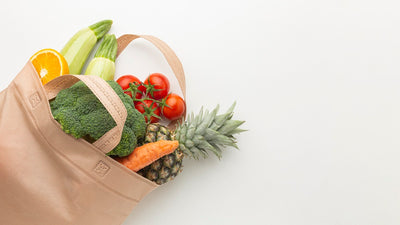
Organic fruits like watermelon, oranges, berries, and pineapple help restore hydration while providing vitamins.
They’re easy to digest and naturally cooling.
2. Fresh Vegetables
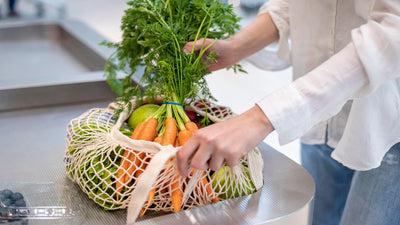
Organic vegetables such as cucumbers, lettuce, zucchini, and tomatoes are light and full of water. They also contain fiber, which supports smooth digestion.
3. Yogurt and Probiotics
Organic yogurt helps maintain healthy gut bacteria. It can reduce bloating and improve digestion, especially during stressful conditions like heat.
4. Light Proteins
Opt for grilled fish, chicken, lentils, or chickpeas instead of heavy red meats. These are easier on the stomach and still provide essential nutrients.
5. Whole Grains in Moderation
Quinoa, brown rice, and oats are good choices, but keep portions balanced. Overeating even healthy grains can feel heavy in hot weather.
Foods to Avoid in Dubai Heat
Certain foods can make digestive issues worse when temperatures are high.
Fried and Oily Foods
They take longer to digest and increase the feeling of heaviness.
Spicy Dishes
Spices can raise body temperature and trigger acidity or discomfort.
Sugary Drinks
They may feel refreshing at first but can lead to dehydration and energy crashes.
Processed Foods
Low in nutrients and harder to digest, especially when your system is already under stress.
Smart Eating Habits for Better Digestion
Changing what you eat helps, but how you eat matters just as much.
Eat Smaller Meals More Often
Large meals can overwhelm your digestive system. Smaller portions spread throughout the day are easier to handle.
Stay Hydrated Consistently
Don’t rely only on water. Include foods with high water content and consider natural drinks like organic coconut water.
Avoid Eating Late at Night
Your digestion slows down further at night, especially in hot weather.
Don’t Skip Meals
Even if your appetite is low, try to eat light, nutrient-rich clean-label foods to maintain energy.
Eat Slowly
Taking time to chew properly helps your digestive system do its job more efficiently.
The Role of Hydration in Digestion
Hydration is one of the biggest factors when looking at how Dubai heat affects digestion.
Water supports every step of the digestive process:
-
It helps break down food
-
Aids nutrient absorption
-
Prevents constipation
-
Maintains enzyme function
Without enough fluids, even healthy food choices won’t work as effectively. A simple habit is to drink purest water such as San Bernardo water throughout the day instead of large amounts at once.
A Simple Daily Eating Plan for Hot Weather
Here’s an example of how to structure your meals:
Morning: Smoothie with banana, spinach, and coconut water.
Mid-morning: Fresh fruit like watermelon.
Lunch: Quinoa salad with vegetables and light protein.
Afternoon: Yogurt with a handful of nuts.
Dinner: Grilled fish with steamed vegetables.
Evening: Herbal tea or a light snack if needed.
This kind of plan supports digestion while keeping your body cool.
Lifestyle Factors That Also Affect Digestion
Food is important, but other habits play a role too.
Stay Cool When Possible
Spending time in cooler environments reduces stress on your body, helping digestion function better.
Light Physical Activity
Short walks or gentle movement can improve digestion without overheating you.
Manage Stress
Heat can increase irritability and fatigue, which can indirectly affect gut health.
Get Enough Rest
Sleep supports your digestive system and overall recovery.
Final Thoughts
Understanding how Dubai heat affects digestion helps you take control of your health during extreme weather. The key is not to eat less, but to eat smarter and choosing the best organic store in Dubai for clean nourishment.
Focus on lighter meals, stay hydrated, and avoid foods that strain your system. Small changes in your daily routine can prevent discomfort and help you feel more balanced, even in intense heat.
When your digestion feels right, everything else improves too. Your energy, mood, and overall well-being all benefit from the right choices.
FAQs
1. Why does my appetite decrease in hot weather?
Your body tries to reduce heat production, and digestion generates heat. That’s why you naturally feel less hungry.
2. Can dehydration really affect digestion?
Yes. Lack of water slows down digestion and can lead to constipation and bloating.
3. What is the best meal type during extreme heat?
Light, hydrating meals with fruits, vegetables, and lean proteins are ideal. They’re easier to digest and help maintain energy.
Popular posts